Knowledge Base
Frequently Asked Questions
Why did two ‘charges’ appear on my credit card when I made a purchase on the Peterson website?
The second charge is an authorization and approval which resulted in the order processing successfully.
Was this helpful?
Help others find this information sooner.
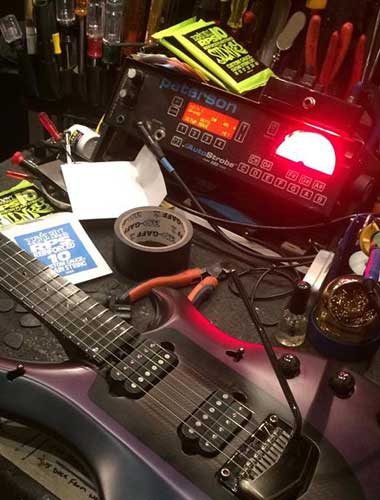
How do I read a strobe display?
Adjust your instrument until the pattern is as close to still as possible. Strobe displays are 'real-time' and extremely precise. They require very fine tuning adjustments to stop the display because the frequency/pitch of any instrument is never totally stable.
You'll quickly learn to read the display, make the most precise adjustments and appreciate the high resolution that only a Peterson provides.
Was this helpful?
Help others find this information sooner.
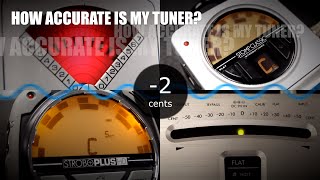
Is the accuracy the same for all Peterson tuners?
Was this helpful?
Help others find this information sooner.
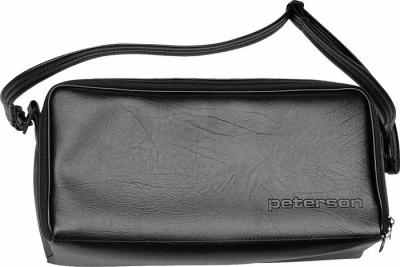
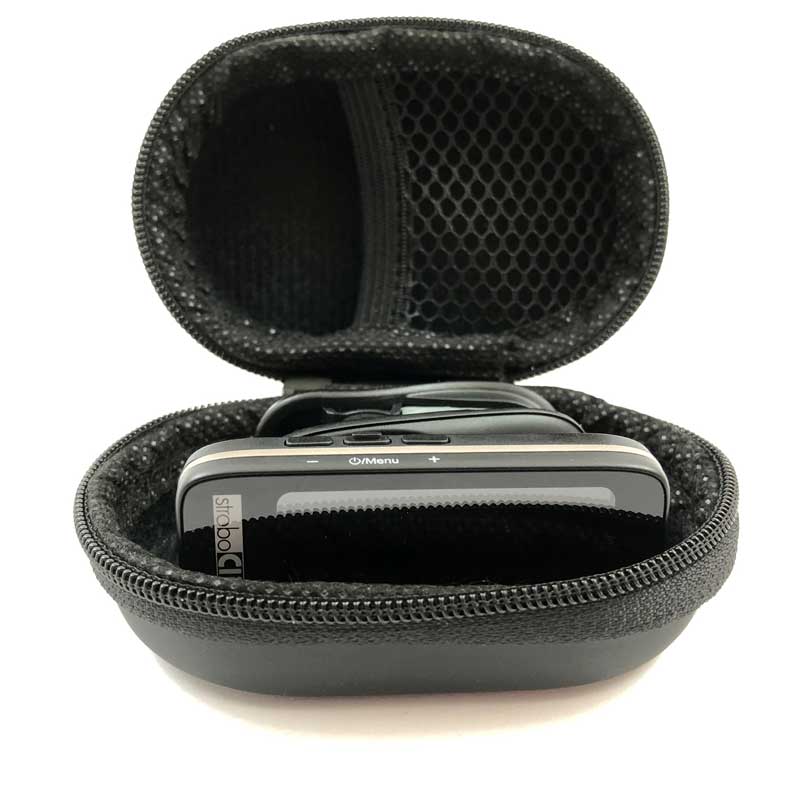
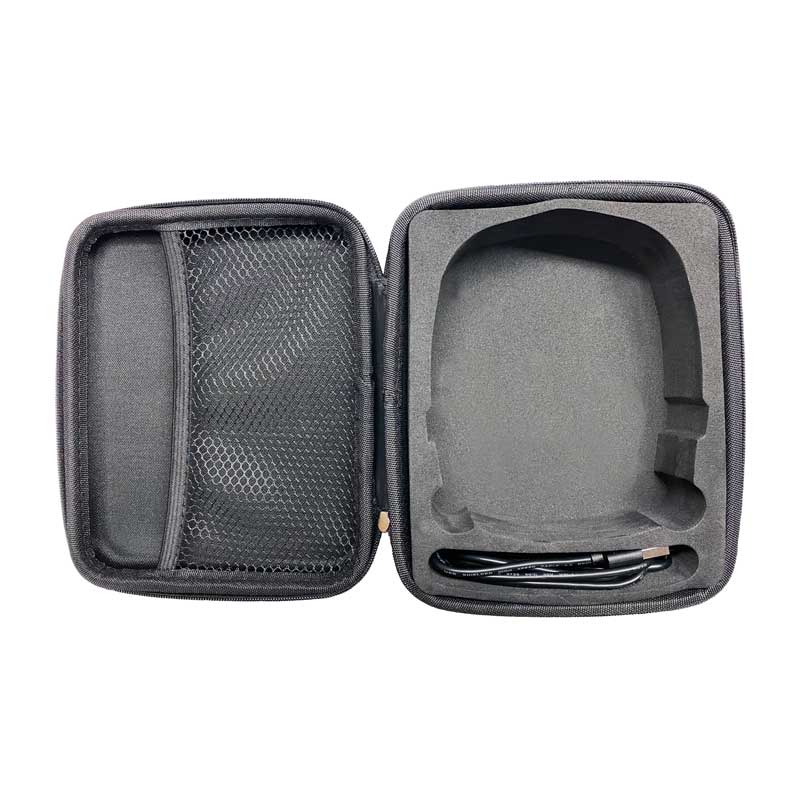
Is there a carrying case available?
Cases are available for the AutoStrobe™ line, the StroboClip HD and the StroboPLUS HD/HDC.
Was this helpful?
Help others find this information sooner.
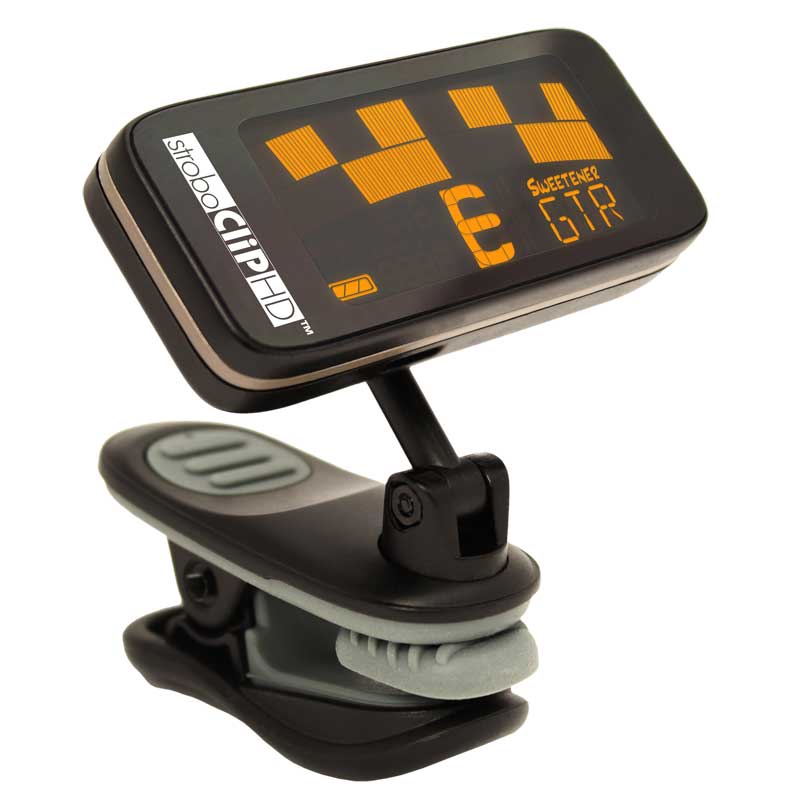
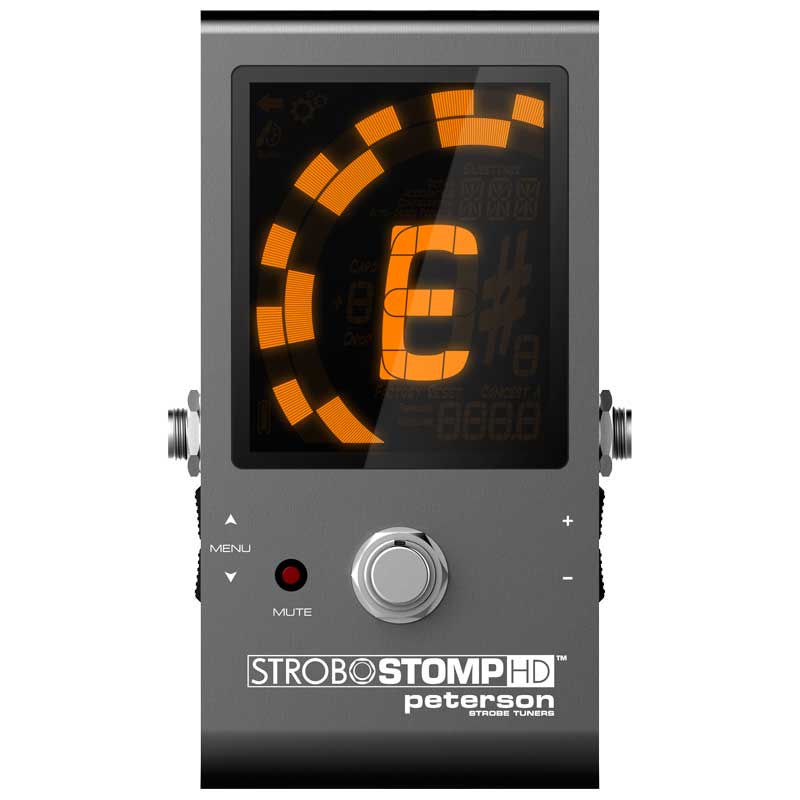
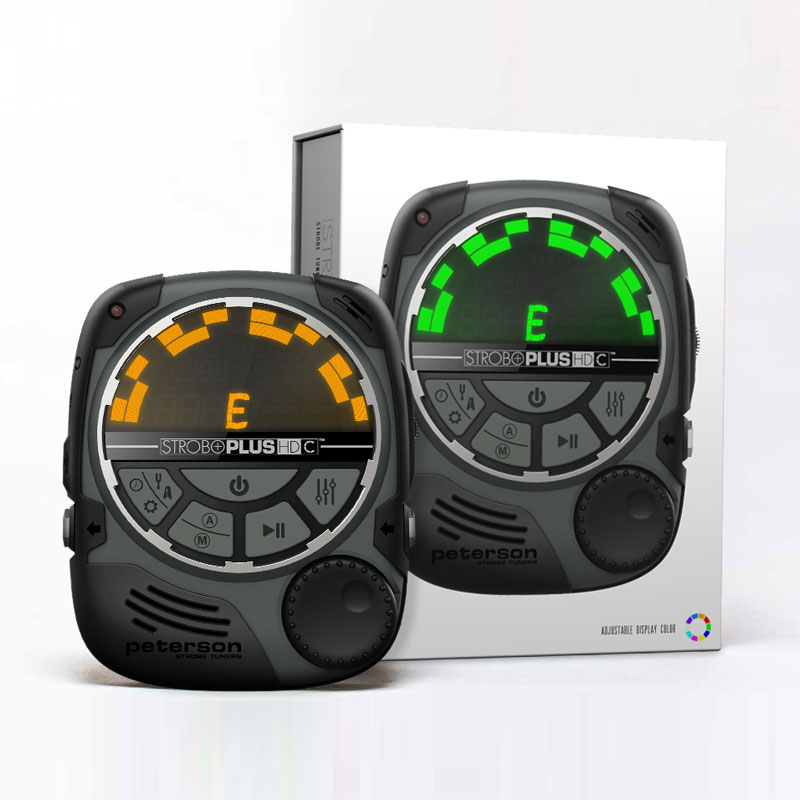
Which Peterson products work with Peterson Connect?
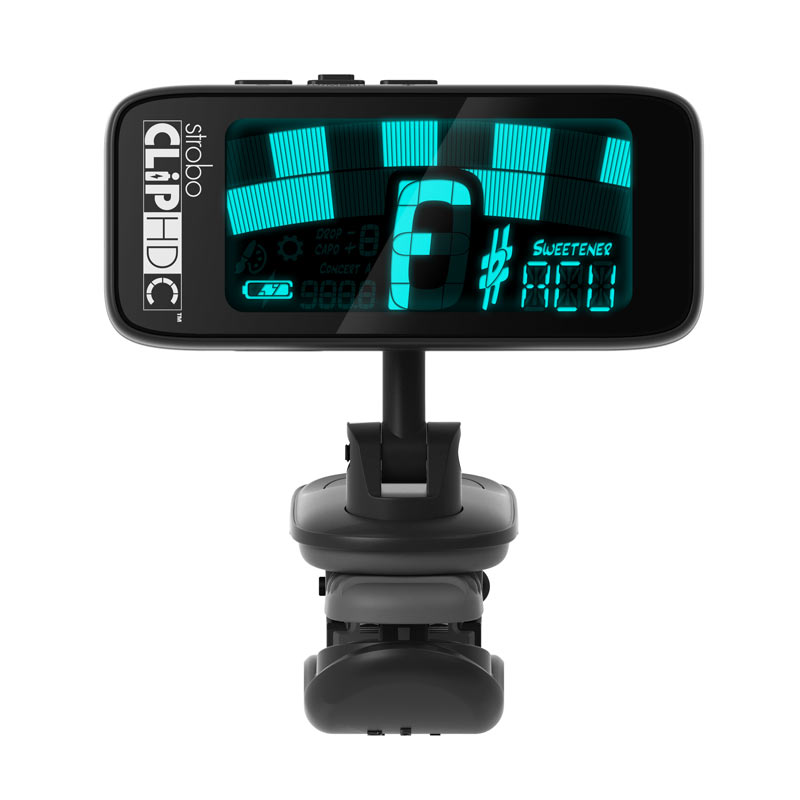
- StroboClip HDC
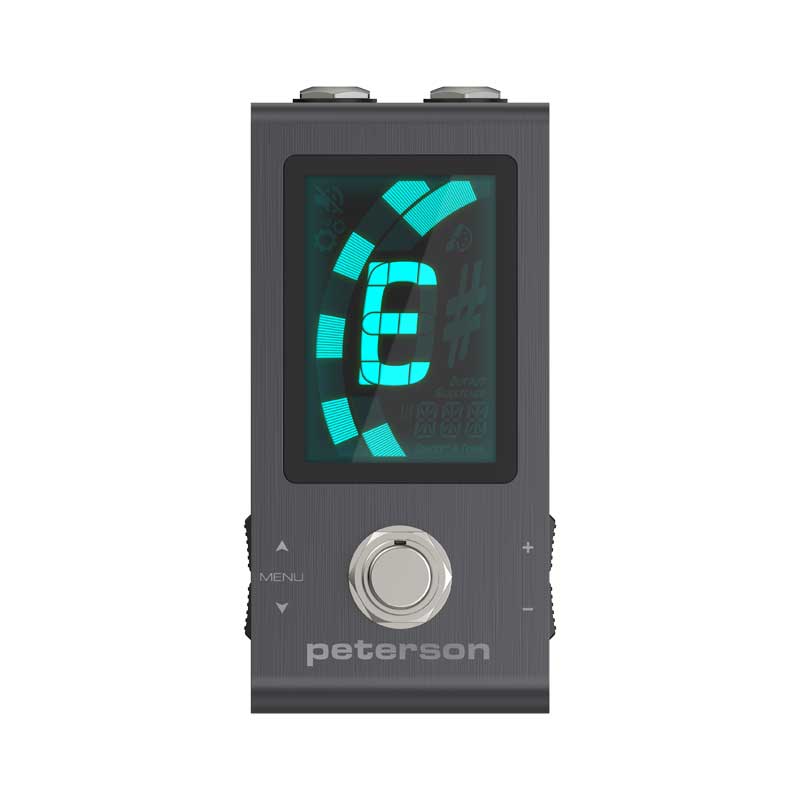
- StroboStomp Mini
- StroboPLUS HDC
- StroboClip HD
- StroboStomp HD
- StroboStomp LE
- StroboPLUS HD
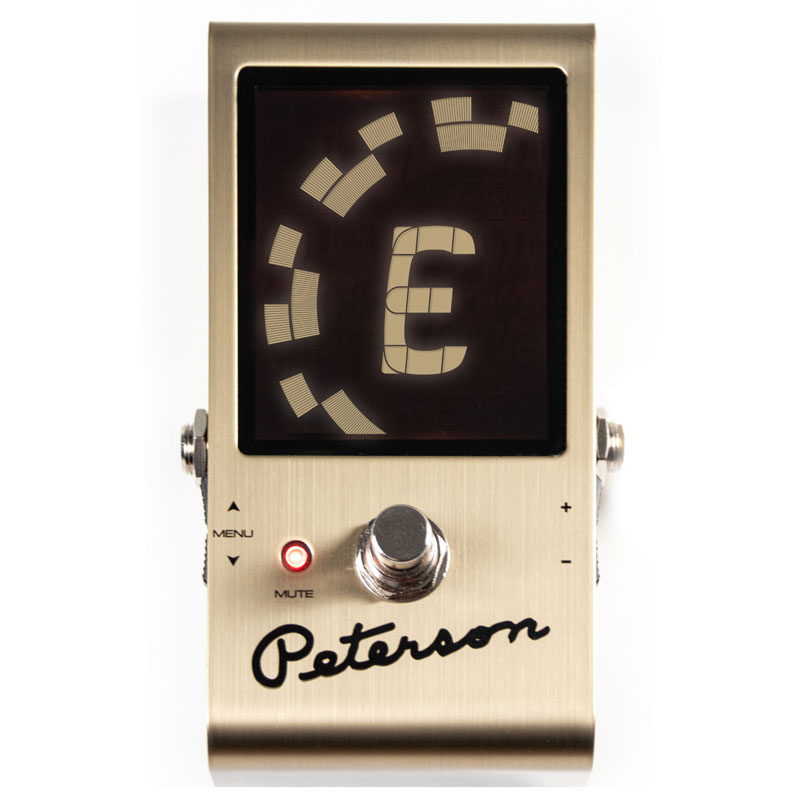
- Stomp Classic Pedal Tuner / Active DI
Was this helpful?
Help others find this information sooner.
I often tune my acoustic instrument in a loud environment. What's available to help with that?
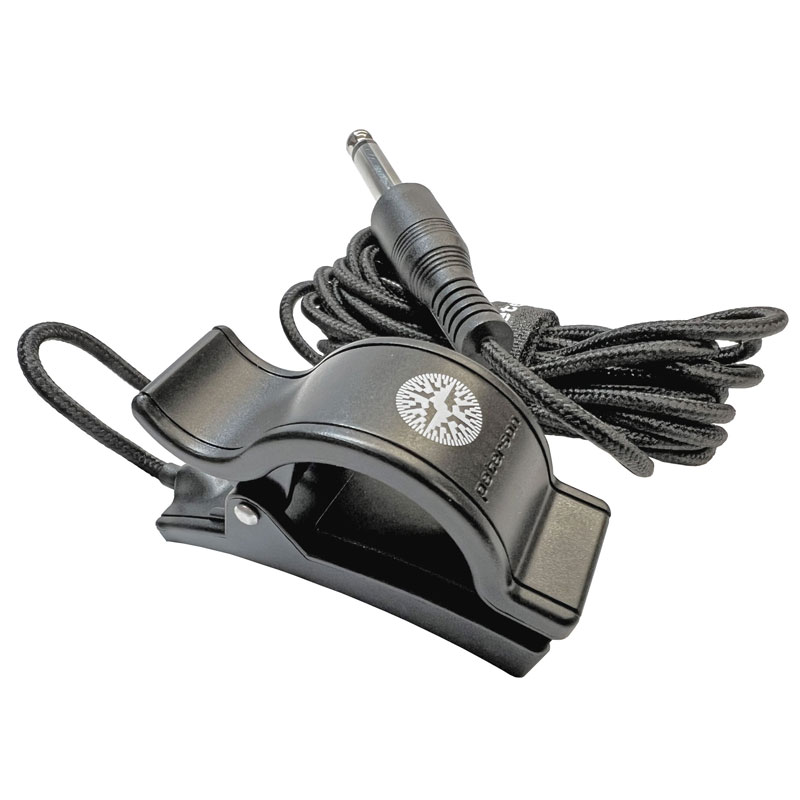
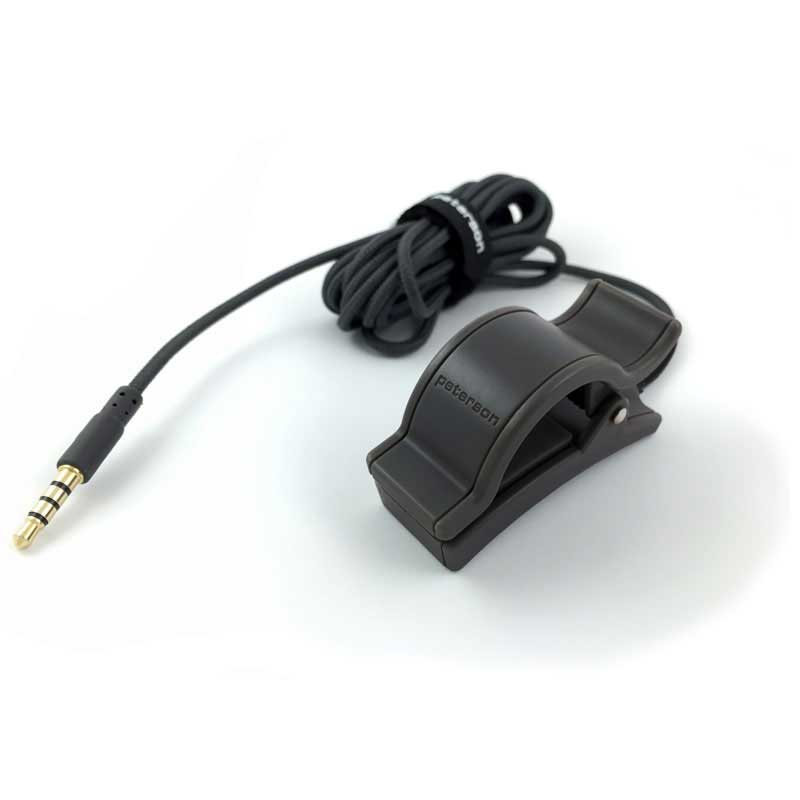
A Peterson TP-3 clip-on tuning pickup is a very versatile device with a 1/4" connector that can be clipped onto any portion of the instrument that vibrates, such as the headstock of a guitar or the bell or lead pipe of a horn.
A Peterson Pitch Grabber Mobile Tuning Clip utilizes a 1/8" connector for use in mobile phones or tablets with software tuners.
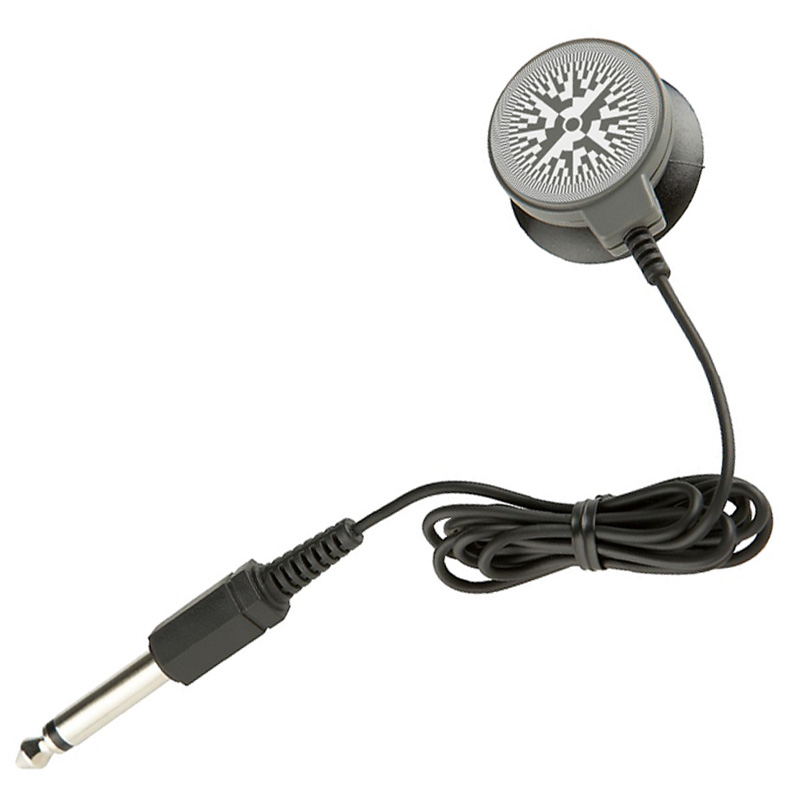
For instruments with a flat resonating surface, you can use a suction cup tuning pickup to reduce ambient noise interference.
Was this helpful?
Help others find this information sooner.
How do I send my product in for repair?
If you have not registered your tuner, you must do so before opening your support ticket.
All products returned for service must have a support ticket number on the outside of the box as well as on the accompanying paperwork on the inside of the box.
We strongly recommend shipping with tracking information and insurance. Peterson Electro-Musical Products, Inc., and subsidiaries thereof, are not responsible for lost packages in transit to our repair facility.
Include a description of your problem in both your support ticket and paperwork included with your product. Please be specific about the type of malfunction as well as the conditions under which it occurs. Include your name, address, phone number, and email address on the accompanying paperwork.
There is a minimum charge of $95.00 US plus return shipping charges for all Mechanical Peterson tuners received and a minimum charge of $48.00 US plus return shipping charges for all LCD Peterson tuners (unless subject to Peterson warranty). If you would like an advance estimate for service, you must include a request in writing with the product you ship. If you choose not to have your product repaired, there is a $48 diagnostic charge plus return shipping.
Payment options include PayPal, VISA, MasterCard, AMEX and Discover Card.
Any balance is due within 30 days of the completion of the repair. After 30 days, a storage fee will be charged. After 90 days, your property will be considered abandoned and will disposed of at our discretion.
For international (non-USA) repairs and for all Conn and Node tuner repairs, please open a support ticket as different procedures may apply.
Contact and Shipping Details:
For service of Peterson tuners:
Peterson Electro-Musical Products, Inc. Attn: Tuner Repairs 11601 South Mayfield Ave. Alsip, IL 60803 USA TEL: 708-388-3311 (ext. 143) FAX: 708-388-3341 Email: techwest@petersonemp.com
Was this helpful?
Help others find this information sooner.
Which browsers support Peterson Connect?
Peterson Connect will not function in Safari. Custom Configuration, Sweetener Design, and Tempo Map designer will function in Safari, but Safari does not support webHID therefore data transfer to your device is not possible.
Was this helpful?
Help others find this information sooner.
What should I do if my new Peterson product doesn't seem to work properly?
Was this helpful?
Help others find this information sooner.
Windows 10/11 presents "USB device can't be recognized" error when I plug in my tuner.
A restart of your computer will usually solve this issue.
After your computer powers off, restart your computer, plug in your tuner, and the USB drivers should install automatically.
Was this helpful?
Help others find this information sooner.
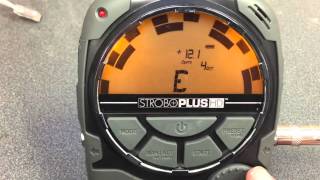
How do I find out how far out of tune my guitar is in cents?
The following video shows this process using a StroboPLUS HD.
Was this helpful?
Help others find this information sooner.
I've registered my product warranty but it's not showing up in the list of products that I can configure.
Was this helpful?
Help others find this information sooner.
Not finding an answer? Open a support ticket for personalized support of your Peterson product.
Product Manuals
Not finding an answer? Open a support ticket for personalized support of your Peterson product.
Firmware History
Stomp Classic Version 1.0.06
Thursday, May 4, 2017 3:01:00 PM EDT
- Various bug fixes and performace improvements.
Stomp Classic Version 1.0.05
Tuesday, September 24, 2013 9:40:00 AM EDT
- Various Bug Fixes
Stomp Classic Version 1.0.04
Wednesday, August 7, 2013 10:37:00 AM EDT
- Note display default is now the sharp ( # ) version of en-harmonic equivalents. Previously a combination of sharps and flats ( #/b ) were used.
- Peterson Connect now supports characters P and L for custom octave names ( Pedal and Lever indicator for Steel ).
Stomp Classic Version 1.0.02
Sunday, January 1, 2012 2:01:30 PM EST
- Enables Peterson Connect functionality
- Various Bug Fixes.
StroboPLUS HD Version 1.1.12
Thursday, May 4, 2017 3:01:00 PM EDT
- Various bug fixes and performace improvements.
StroboPLUS HD Version 1.1.11
Sunday, March 5, 2017 8:45:00 AM EST
- Fixes Connectivity Issue on Windows & Linux machines.
- Required for Chrome Peterson Connect v1.2.0 and up.
StroboPLUS HD Version 1.1.10
Monday, December 5, 2016 10:45:00 AM EST
- Adds / Corrects offsets to BFB Sweetener for 5, 6 & 7 string Buzz Feiten Bass.
- Other minor bug fixes.
StroboPLUS HD Version 1.1.9
Monday, March 14, 2016 5:04:00 PM EDT
- Fixes a bug that affects Accent Patterns for Metronome Upgrade.
- Other minor bug fixes.
StroboPLUS HD Version 1.1.7
Friday, September 4, 2015 3:08:00 PM EDT
- Various offsets for Accordion Sweeteners have been corrected.
StroboPLUS HD Version 1.1.6
Thursday, July 9, 2015 10:00:00 AM EDT
- Fixes an incorrect battery level reading that occurs on units from a recent production run. ( June 2015 ) Otherwise, it is the same as 1.1.4.
- Update will reset custom configurations but you will be prompted to reinstall your saved configuration immediately after update.
StroboPLUS HD Version 1.1.4
Monday, June 15, 2015 1:31:00 PM EDT
- The time required for holding the power button in order to shut down has been reduced from 2 seconds to: 1.5 seconds or 0.8 seconds if no edit menus are active.
- Pressing the select button ( pushing in on encoder wheel ) will increment through each of the parameters until the parameter you want to edit is blinking, then edit the value by rotating the select knob. Some users found this easier than turning the encoder wheel to select a parameter to edit. Both ways work for backward compatibility.
- Bug fix: If “Preset” was the last selection in Strobe-Tune or Audio-Tune modes, then when first entering Metronome mode, the BPM menu was not locked in the edit menu, as it is supposed to be.
StroboPLUS HD Version 1.1.3
Tuesday, September 2, 2014 9:47:00 AM EDT
- Bug fix for metronome upgrade only. The tempo menu will now properly start after a power cycle in either the TENTHS or UNITS menu, based on how it was last used.
- Fixes a bug that first appeared in versions 1.1.0 to 1.1.2 that did not correctly apply offsets to more than one of the same note in the same octave. Versions 1.0.9 and previous did not have this bug and worked correctly.
StroboPLUS HD Version 1.1.2
Tuesday, May 6, 2014 1:16:00 PM EDT
- Various Bug Fixes
- Corrected offsets for the LA6 sweetener.
StroboPLUS HD Version 1.1.1
Monday, April 7, 2014 9:42:00 AM EDT
- There are two additional pedal steel guitar Sweeteners added. SH6 & SH9 - Sid Hudson’s settings for E9 and C6.
- Sweetener value shows for the indicated preset, while selecting a preset.
- Version 1.1.1 was released concurrently with version 1.1.0 and contains all features from version 1.1.0 listed below.
StroboPLUS HD Version 1.1.0
Monday, April 7, 2014 9:42:00 AM EDT
- Added 32 Metronome Practice Patterns. These patterns are accessed via the preset button at the end of any user defined presets.
- Metronome Practice Patterns allow saving a tempo setting for each pattern. Select the pattern, set the tempo and hold the preset button. The right most digit in tempo will go in circular pattern to show that the tempo was saved as part of that preset.
- There are now 60 additional user defined metronome presets allowed, for a total of 70.
- Presets wrap upward, but not downward, in all modes.
- In metronome mode, the settings show for each preset and are implemented immediately as the indicated preset is changed. Earlier firmware versions required you exit the preset selection menu to see the preset parameter values.
- The “E” (edited) icon is displayed when the current parameter settings do not match the last saved values of the indicated preset, in Metronome mode.
- The meter parameter display is updated to the first bar of a tempo map when a new tempo map is first selected. A bug in previous versions had displayed the previous value until the bar value changed.
- A user controlled ROOT parameter has been added for each sweetened tuning (temperaments included) for both audio and strobe tuning modes. Select the sweetener and hold the selector knob in and rotate it until the Note indicator says C which is the default root. Release the selector knob and rotate it to the root note you desire. The Sweetener name will now flash alternating between the root selection and Sweetener. The root will be set back to C whenever you change the Sweetener or restart the StroboPlus, it is not saved.
- Tympani tuning: “TYM” has been added to available sweeteners. This setting adjusts the strobe pattern to be more readable while tuning tympani drums.
- The offset for note Bb in temperament RAM was changed from -1.4 to +1.4. This was an error in previous releases.
StroboPLUS HD Version 1.0.09
Wednesday, July 17, 2013 1:02:00 PM EDT
- Timeout for editing a parameter is increased from 4 seconds to 8 seconds.
- Timeout for selecting a parameter is reduced from 4 seconds to 3 seconds.
- When the backlight transitions from “Active” to “Inactive” levels, it now fades between these levels, instead of an abrupt change in the light level.
- The timings for switching the backlight from the “Active” level, to the “Inactive” level, have been adjusted slightly as necessary to account for the other changes.
StroboPLUS HD Version 1.0.08
Tuesday, April 16, 2013 4:31:00 PM EDT
- Tempo selection in Metronome Mode defaults to whole units and not tenths for BPM.
- Note display default is now the sharp ( # ) version of en-harmonic equivalents. Previously a combination of sharps and flats ( #/b ) were used.
StroboPLUS HD Version 1.0.06
Monday, March 4, 2013 4:41:00 PM EST
- Always defaults to Auto Note detection when Strobe Tune mode is started.
- Peterson Connect now supports characters P and L for custom octave names ( Pedal and Lever indicator for Steel ).
- Octave icon will NOT show on the display when a custom note name and octave are specified in Peterson Connect.
StroboPLUS HD Version 1.0.05
Monday, February 18, 2013 4:24:00 PM EST
- Bug fix for inability to turn on when battery level is too low.
- Battery charging indicator improved.
StroboPLUS HD Version 1.0.04
Tuesday, February 12, 2013 5:14:00 PM EST
- Tap Tempo now works with selected Accent Pattern in Metronome Mode.
- The Voice for the Audio Tune mode is a sawtooth below C7. At C7 and above it uses a sine wave.
- Pressing and releasing the power button when a Tempo Map is selected will set the bar value to 1. This is a shortcut for getting back to the start.
- Several changes to the battery charging and battery level indication.
- StroboPlus can be powered with USB power, even if the battery is not installed.
- The battery ICON does NOT show if the battery is NOT installed.
- Various Bug Fixes.
StroboPLUS HD Version 1.0.03
Saturday, January 5, 2013 2:03:00 PM EST
- Initial Release.
StroboClip HD Version 1.0.6
Monday, April 27, 2020 9:16:00 AM EDT
- Various Bug Fixes & Improvements
StroboClip HD Version 1.0.5
Tuesday, November 21, 2017 3:00:00 PM EST
- Optimized startup time by 80%.
- Start tuning more quickly than prior versions.
- Various bug fixes and performance improvements.
StroboClip HD Version 1.0.4
Wednesday, September 6, 2017 12:56:00 PM EDT
- Various bug fixes and performance improvements.
StroboClip HD Version 1.0.3
Wednesday, May 24, 2017 11:07:00 AM EDT
- Two separate button combinations to power-on. This avoids accidental power-on.
- MENU/POWER button pressed only, PLUS and MINUS must not be pressed.
- Both PLUS and MINUS pressed, MENU must not be pressed.
StroboClip HD Version 1.0.2
Monday, May 1, 2017 9:48:00 AM EDT
- Various bug fixes and performace improvements.
StroboClip HD Version 1.0.1
Friday, March 10, 2017 11:21:00 AM EST
- Official Release
StroboStomp HD Version 1.0.34
Friday, May 2, 2025 11:39:25 AM EDT
- New settings screen parameter for 'Power Up Mute State'
StroboStomp HD Version 1.0.33
Thursday, July 20, 2023 7:08:00 PM EDT
- Various Bug Fixes and Improvements
StroboStomp HD Version 1.0.29
Tuesday, January 18, 2022 6:08:00 PM EST
- Slows the flash speed of parameters, making them easier to select and read
- Various Bug Fixes and Improvements
StroboStomp HD Version 1.0.28
Wednesday, June 3, 2020 12:29:00 PM EDT
- Various Bug Fixes & Improvements
- Faster un-mute in Buffer and Monitor modes
StroboStomp HD Version 1.0.27
Monday, January 27, 2020 10:53:00 AM EST
- Various Bug Fixes & Improvements
StroboStomp HD Version 1.0.26
Wednesday, December 11, 2019 10:52:00 AM EST
- Various Bug Fixes
- Settings Screen Timeout Increased
StroboStomp HD Version 1.0.25
Thursday, October 3, 2019 5:37:00 PM EDT
- Various Bug Fixes & Improvements
StroboStomp HD Version 1.0.24
Wednesday, July 3, 2019 2:00:00 PM EDT
- Various Bug Fixes
StroboStomp HD Version 1.0.23
Friday, June 28, 2019 9:00:00 AM EDT
- Production Release
StroboPLUS HDC Version 1.0.25
Wednesday, April 23, 2025 4:04:31 PM EDT
- Various bug fixes and improvements
- Improved timer mode Pause function
StroboPLUS HDC Version 1.0.24
Tuesday, January 28, 2025 4:03:23 PM EST
- Various bug fixes and improvements
- Better battery management in tone generator and metronome modes
StroboPLUS HDC Version 1.0.23
Thursday, September 19, 2024 3:44:37 PM EDT
- Various bug fixes and improvements
- Sweetener OE9. Offset for note B2 changed to -1.9 cents. Was +1.9 cents
StroboPLUS HDC Version 1.0.22
Tuesday, March 28, 2023 7:00:00 PM EDT
- Various Bug Fixes and Improvements
StroboPLUS HDC Version 1.0.21
Tuesday, October 18, 2022 2:00:00 PM EDT
- Various Bug Fixes and Improvements
StroboPLUS HDC Version 1.0.20
Friday, April 8, 2022 12:16:00 PM EDT
- Various Bug Fixes and Improvements
StroboPLUS HDC Version 1.0.19
Tuesday, February 22, 2022 11:16:00 AM EST
- Changes how various parameters are adjusted
- Tempo, Concert A, Cents and Timer adjust in whole units rather than tenths
- Holding IN on the encoder while turning increments in tenths
- Holding Parameter Button while turning changes Tempo Beat Value in Metronome Mode
StroboPLUS HDC Version 1.0.18
Friday, February 4, 2022 2:24:00 PM EST
- Fixes auto-off in metronome mode
- Various Bug Fixes and Improvements
StroboPLUS HDC Version 1.0.17
Monday, January 24, 2022 1:24:00 PM EST
- Metronome: Increases allowed number of tempo maps from 10 to 100
- Various Bug Fixes and Improvements
StroboPLUS HDC Version 1.0.16
Wednesday, January 12, 2022 8:00:00 PM EST
- In tuner mode, default auto-off time-out changed from 2 minutes to 10 minutes
- Various Bug Fixes and Improvements
StroboPLUS HDC Version 1.0.15
Wednesday, November 17, 2021 7:48:00 AM EST
- Metronome now supports setting tempo in Eighth notes, Dotted Quarter notes and Half notes rather than ONLY Quarter notes per minute
- Defaults to Dotted Quarter notes per minute when meter is adjusted to 3/8, 6/8, 9/8, 12/8 etc
- Various Bug Fixes & Improvements in addition to updates included in Firmware Version 1.0.14
StroboPLUS HDC Version 1.0.14
Friday, October 1, 2021 11:23:00 AM EDT
- Fixes battery level meter - was showing lower than the actual battery level
- Auto-Power OFF disabled when in Timer Mode
- Additional Accent Patterns in Metronome for 13/x to 17/x meters
- Alternate Accent Pattern selections save with Metronome Preset
- Shows Tempo Map name with Metronome Preset
- Various Bug Fixes and Improvements
StroboPLUS HDC Version 1.0.13
Tuesday, September 7, 2021 8:00:00 AM EDT
- Various Bug Fixes
- Fixes Battery Level Indicator
StroboPLUS HDC Version 1.0.12
Saturday, June 19, 2021 4:53:00 PM EDT
- First Official Production Release
StroboPLUS HDC Version 1.0.11
Saturday, June 12, 2021 5:53:00 PM EDT
StroboPLUS HDC Version 1.0.10
Monday, June 7, 2021 7:17:00 AM EDT
StroboStomp LE Version 1.0.34
Friday, May 2, 2025 11:40:06 AM EDT
- New settings screen parameter for 'Power Up Mute State'
StroboStomp LE Version 1.0.33
Wednesday, July 20, 2022 9:05:00 PM EDT
- Official Production Release
StroboStomp Mini Version 1.0.09
Friday, April 4, 2025 5:39:12 PM EDT
- Optimized display recovery when muting and unmuting
- Various bug fixes and improvements
StroboStomp Mini Version 1.0.07
Friday, August 18, 2023 8:03:00 PM EDT
- Fixes alternate strobe patterns in Peterson Connect
- Various Bug Fixes
StroboStomp Mini Version 1.0.06
Wednesday, July 26, 2023 4:45:00 PM EDT
- Preserves Output Mode, Mute Power-Up State and Play Preset after User Config Update
- Various Bug Fixes
StroboStomp Mini Version 1.0.05
Friday, March 24, 2023 3:31:00 PM EDT
StroboStomp Mini Version 1.0.04
Saturday, February 25, 2023 12:51:00 PM EST
- Official Pilot Release
StroboClip HDC Version 1.0.15
Tuesday, March 12, 2024 11:20:17 PM EDT
- Improved color correction for dim display settings
StroboClip HDC Version 1.0.14
Wednesday, February 28, 2024 1:48:20 PM EST
- Improved color correction for dim display settings
- Slight increase in power ON button time
- Various bug fixes and improvements
StroboClip HDC Version 1.0.13
Tuesday, February 13, 2024 2:45:55 PM EST
- Various bug fixes and improvements
StroboClip HDC Version 1.0.12
Monday, November 13, 2023 2:49:39 PM EST
- Various Bug Fixes and Improvements
StroboClip HDC Version 1.0.11
Friday, November 10, 2023 2:07:00 PM EST
- Various Bug Fixes
StroboClip HDC Version 1.0.10
Wednesday, November 1, 2023 1:56:00 PM EDT
StroboClip HDC Version 1.0.09
Thursday, October 12, 2023 2:11:00 PM EDT
StroboClip HDC Version 1.0.08
Wednesday, October 11, 2023 1:13:00 PM EDT
- Official Production Release
StroboClip HDC Version 1.0.07
Friday, October 6, 2023 3:04:00 PM EDT